Are Dental Implants Safe? The Honest 2026 Answer
If you live in Fountain Valley, Huntington Beach, or anywhere in Orange County, you’ve probably heard a lot about dental implants, All-on-4, and “Teeth-in-a-Day.” It can sound almost too good to be true.
The good news:
- Large reviews show overall implant survival rates around 95–98%, often over 10+ years.
The honest catch:
- That still means a small percentage fail or develop complications, and certain patients are much higher risk than others. Early failures (before the tooth is even placed) occur in roughly 1–2%, and late failures over the years can reach 5–10% in some reports.
This guide explains, in plain language:
- The main types of risks and complications
- Who is more at risk
- How modern 2026 technology helps prevent problems
- What you can do, as a patient in Orange County, to protect yourself
This isn’t meant to scare you away from implants. It’s meant to give you the real story, so you can make a confident, informed decision.
1. Types of Dental Implant Complications (Explained Simply)
Complications fall into a few big buckets:
- Early failure – the implant doesn’t “take” or heal properly
- Late biological problems – like gum infection and bone loss around the implant
- Mechanical or technical problems – loose screws, broken parts
- Surgical complications – nerve injury, sinus problems, etc.
Let’s break these down.
1.1 Early Failure: When the Implant Never Fully Integrates
Dental implants work because the bone grows onto the implant surface, a process called osseointegration. If this bond never forms properly, the implant becomes loose and fails.
Early failures usually:
- Happen within the first few weeks or months
- Are often in the 1–2% range overall
- Can be caused by infection, too much micromovement, poor bone quality, or uncontrolled health conditions
Common signs:
- Pain that doesn’t settle
- Loose feeling around the implant
- Swelling or pus
- Implant moves when touched
Most early failures are fixable. Sometimes, the implant is removed, the area is allowed to heal or grafted, and a new implant is placed later with better planning.
1.2 Peri-implant Mucositis & Peri-implantitis (Gum & Bone Infections)
Think of this as gum disease around implants.
- Peri-implant mucositis – inflammation of the gums around the implant, but no bone loss
- Peri-implantitis – inflammation + progressive bone loss around the implant
Recent reviews highlight that peri-implant disease is common and a major cause of late failures.
Major risk factors include:
- History of moderate or severe periodontitis (gum disease)
- Smoking
- Poor plaque control / irregular cleanings
- Uncontrolled diabetes, obesity, certain meds
- Excess cement under the gums, bad implant positioning, or overloaded bite
Why it matters:
If caught early, peri-implant mucositis is usually reversible with professional cleaning and better home care. If it progresses to peri-implantitis, you may need surgery, laser decontamination, or regenerative procedures—and in some cases, the implant can be lost.
1.3 Mechanical Problems: Screws, Crowns, and Bridges
Even if the implant in the bone is fine, the “hardware on top” can misbehave:
- Loose or fractured screws
- Chipped porcelain
- Worn acrylic on full-arch bridges
- Broken zirconia in rare cases (usually under extreme bite force)
These issues are typically repairable, but they require maintenance and a practice that actually understands how to service the system they placed.
1.4 Nerve Injury: Rare but Serious
Implants placed in the lower jaw (especially the back area) run near the inferior alveolar nerve, which supplies feeling to the lower lip and chin.
Studies report:
- Temporary nerve disturbances can be seen in a noticeable minority of cases after certain high-risk procedures, but are much less common after routine implant placement.
- Permanent nerve injuries are rarer, often cited in the low single-digit percentage range or lower, and are strongly linked to poor planning or high-risk surgeries (e.g., nerve lateralization).
What it feels like:
- Numbness
- Tingling
- Burning pain
- Altered sensation in lower lip, chin, or teeth
This is why 3D imaging (CBCT) and careful planning are non-negotiable in 2026, especially in places like Fountain Valley where high-tech practices are the norm.
1.5 Sinus Complications (Upper Back Teeth)
For upper back implants, the maxillary sinus is the main anatomical concern.
Possible issues:
- Small perforation of the sinus floor
- Sinus membrane tears during sinus lift
- Rarely, chronic sinusitis or sinus infection linked to implants
Recent systematic reviews show that even when implants slightly protrude into the sinus, failure rates remain relatively low (around 2–4%), and serious sinusitis is uncommon but possible.
Again, 3D scans and skilled sinus lift techniques significantly reduce the risk.
2. Who Is at Higher Risk for Implant Problems?
Not every patient faces the same risk. Research consistently points to a few key groups:
- Smokers – 2–3x higher risk of peri-implant disease and failure
- Patients with past gum disease – especially severe periodontitis
- Poor oral hygiene / inconsistent cleanings
- Uncontrolled diabetes and other systemic conditions
- Heavy bruxers (grinders) without bite protection
- Patients on certain bone-active medications (e.g., IV bisphosphonates)
- Complex bone situations requiring large grafts or risky anatomy
If you live in Fountain Valley, Costa Mesa, Huntington Beach, or nearby areas, this is exactly the kind of thing a good implant provider will screen you for and discuss upfront.
3. How 2026 Technology Helps Reduce Risks
The 2026 implant world in Orange County is very different from what it was a decade ago. Modern clinics now use:
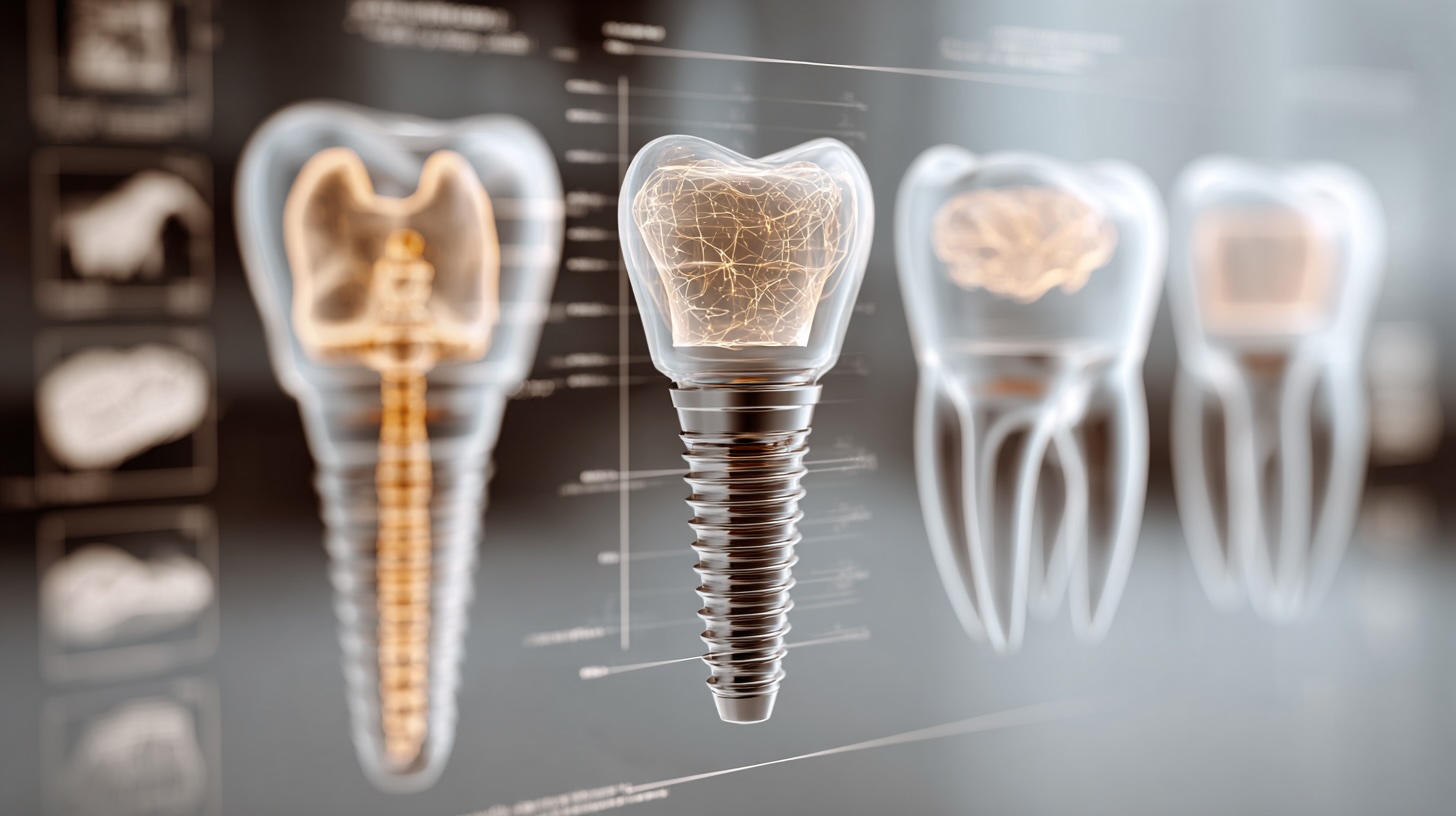
3.1 CBCT 3D Imaging & AI Risk Assessment
- 3D scans show bone height, width, density, nerves, and sinuses
- AI tools help segment critical structures, analyze bone quality, and even combine lifestyle and health factors into risk profiles for implant failure
This means better planning, safer implant placement, and fewer surprises.
3.2 Guided or Robotic-Assisted Surgery
- Digital plans can be translated into 3D-printed surgical guides or robotic systems that keep the drill within a pre-planned path
- These systems help avoid nerves, stay clear of the sinus, and minimize angulation errors
For patients, that often translates to:
- Smaller incisions
- Less post-op pain and swelling
- More accurate positioning of the implant
3.3 Better Surfaces, Better Materials
- Modern implant surfaces are designed to attract bone and speed early healing
- Zirconia and advanced zirconia-hybrid materials can improve aesthetics and gum response in select situations
These advances don’t eliminate risk, but they raise the baseline success rate when used properly.
3.4 Maintenance Programs & Peri-implant Monitoring
More implant-aware practices (including many in Fountain Valley and Huntington Beach) now:
- Put patients on structured hygiene recall, often 3–4 times per year for high-risk patients
- Use specific instruments and protocols for cleaning implants
- Monitor for early signs of mucositis so it doesn’t progress to peri-implantitis
This ongoing care is just as important as the surgery itself.
4. How You Can Lower Your Own Risk
Even with the best technology and team, you play a big role in your long-term success.
Here’s what research and real-world experience suggest:
- Choose your provider carefully.
- Look for 3D imaging, AI-based planning, strong experience, and clear communication.
- Multi-specialty centers (prosthodontist + surgeon) often handle complex cases best.
- Be honest about your health and habits.
- Smoking, diabetes, grinding, medications—your dentist needs to know.
- Commit to maintenance.
- Daily brushing and flossing (or interdental brushes) around implants
- Regular professional cleanings and check-ups
- Protect your bite.
- If you clench or grind, wear a nightguard designed for implant-supported work.
- Call early if something feels off.
- Persistent pain, bleeding, foul taste, or mobility are red flags.
5. Bottom Line: High Success, Real Risks, Smart Choices
In 2026, dental implants in Fountain Valley and greater Orange County offer:
- High success rates
- Sophisticated planning and surgical tools
- Life-changing improvements in chewing, comfort, and confidence
But they are not maintenance-free, and they’re not risk-free.
The safest path is to:
- Work with a well-equipped, experienced team
- Have a personalized risk discussion, not a cookie-cutter sales pitch
- Commit to long-term home care and follow-up
If you’re considering implants, use this guide as a conversation starter with your dentist or implant specialist—and don’t be afraid to ask, “How are you planning to reduce my risk?”
Disclaimer:
This article is for general education only and is not a substitute for personal dental or medical advice. Always consult a qualified dental professional about your specific situation.
10 FAQs: Dental Implant Risks & Complications in 2026
1. What is the overall risk of dental implant failure?
Most studies report overall survival rates around 95–98% over several years, meaning a small percentage of implants do fail. Early failures often occur in 1–2% of cases, while late failures, often from gum and bone issues, can add a few more percent over time.
2. What is peri-implantitis, and how serious is it?
Peri-implantitis is an infection and inflammation that causes bone loss around an implant. If left untreated, it can lead to implant failure. It’s considered one of the main long-term complications of dental implants and is more common in smokers and people with past gum disease.
3. How can I tell if my implant is failing?
Warning signs can include persistent pain, swelling, bleeding, pus, a bad taste, or a feeling that the implant or crown is loose. If you notice any of these, contact your dentist or implant provider promptly.
4. Can dental implants cause nerve damage?
Yes, but it’s uncommon when implants are carefully planned and placed with 3D imaging. Nerve injury risk rises when implants are placed too close to or into the nerve canal. Symptoms may include numbness, tingling, or altered sensation in the lip or chin.
5. Are sinus problems common after upper dental implants?
Most patients do not experience serious sinus issues. When implants are placed very close to or into the sinus, or when a sinus lift is needed, there is a small risk of membrane tears or sinus infection. These complications are relatively uncommon and often manageable when detected early.
6. Who is most at risk for implant complications?
Higher-risk groups include smokers, people with a history of severe gum disease, those with uncontrolled diabetes, poor oral hygiene, heavy grinders, and some patients on specific bone-active medications.
7. Does advanced technology really reduce risks?
Yes. CBCT 3D imaging, AI-assisted planning, guided or robotic surgery, and modern implant surfaces all help improve precision and reduce complications, especially in complex areas like the sinus and nerve zones.
8. Can a failed implant be replaced?
Often, yes. When an implant fails, it may be removed, the site may be grafted or allowed to heal, and a new implant can sometimes be placed later with a revised plan. Success rates for replacement implants can still be high when handled properly.
9. How important is maintenance after getting implants?
Critical. Regular brushing, flossing, professional cleanings, and check-ups are essential to avoid peri-implant disease. Research shows poor plaque control and lack of regular follow-up are major risk factors for peri-implantitis.
10. If I live in Fountain Valley or Huntington Beach, how do I choose a safer provider?
Look for a team that offers 3D imaging, clear explanations of risks, documented experience, sedation options, strong hygiene protocols, and honest discussions about your personal risk factors. Multi-specialty or well-coordinated implant centers are often best for complex or full-mouth cases.